West of the Tigris
$35.00
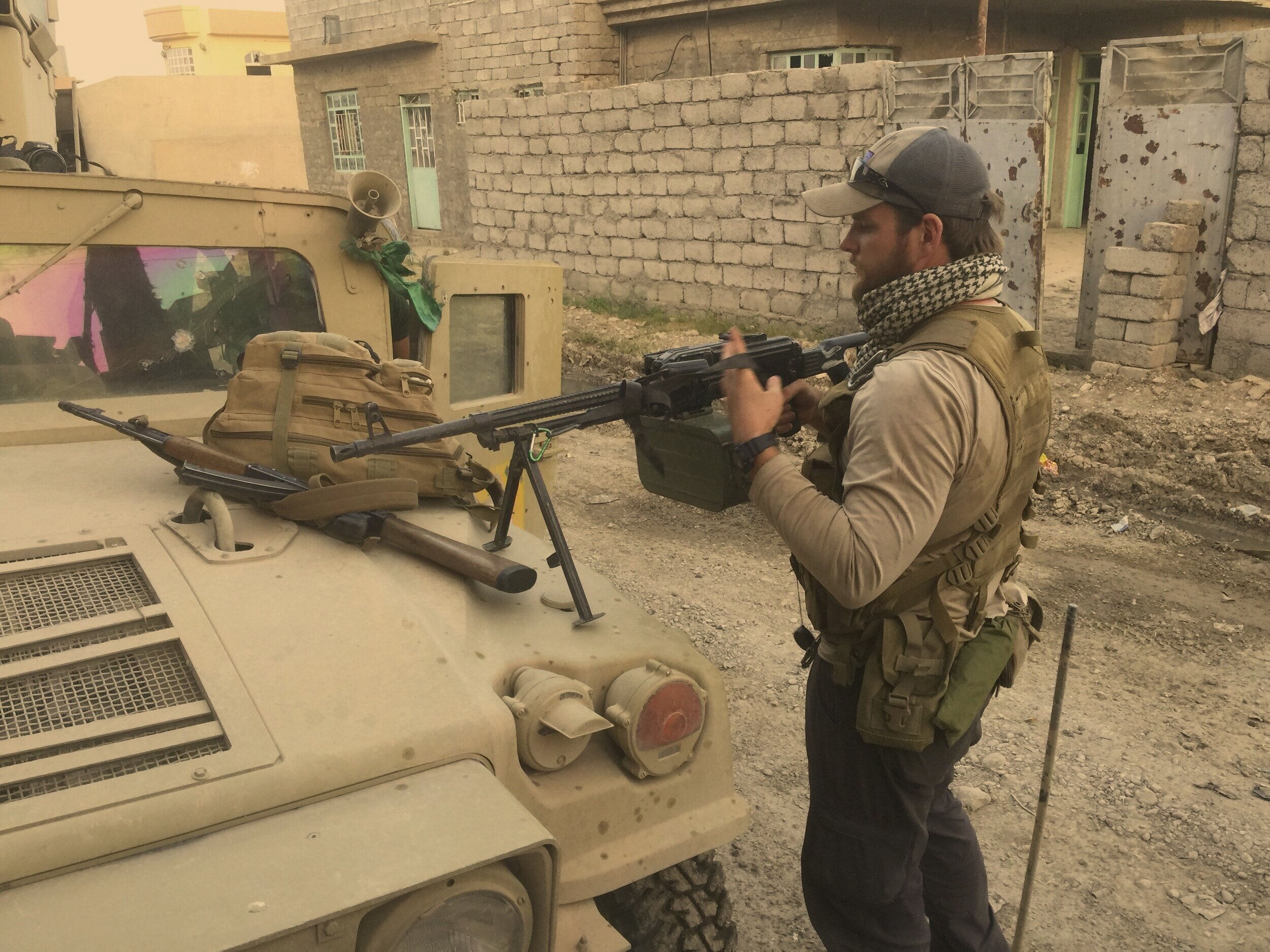
35+ pages of color photos of the people and surroundings from the one of the fiercest urban military engagements since WWII. (All photos are safe for all audiences) Free shipping within USA.
Softcover
38 pages
Printed in USA
Release date: 03-22-21
Good Done Better
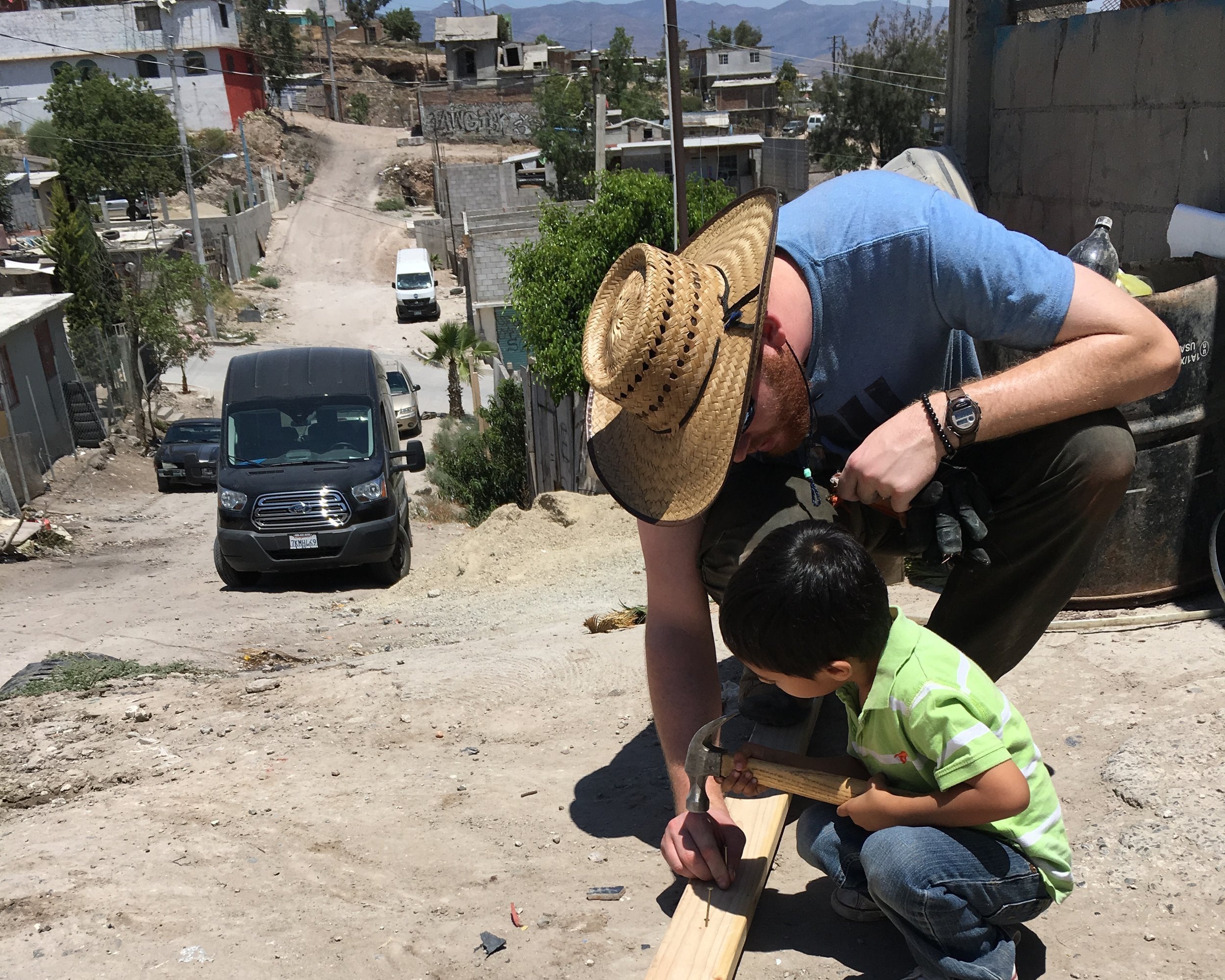
Humanitarianism is good. But it is not always done well. Here are three principles to help you do good better!
Refugees Adrift
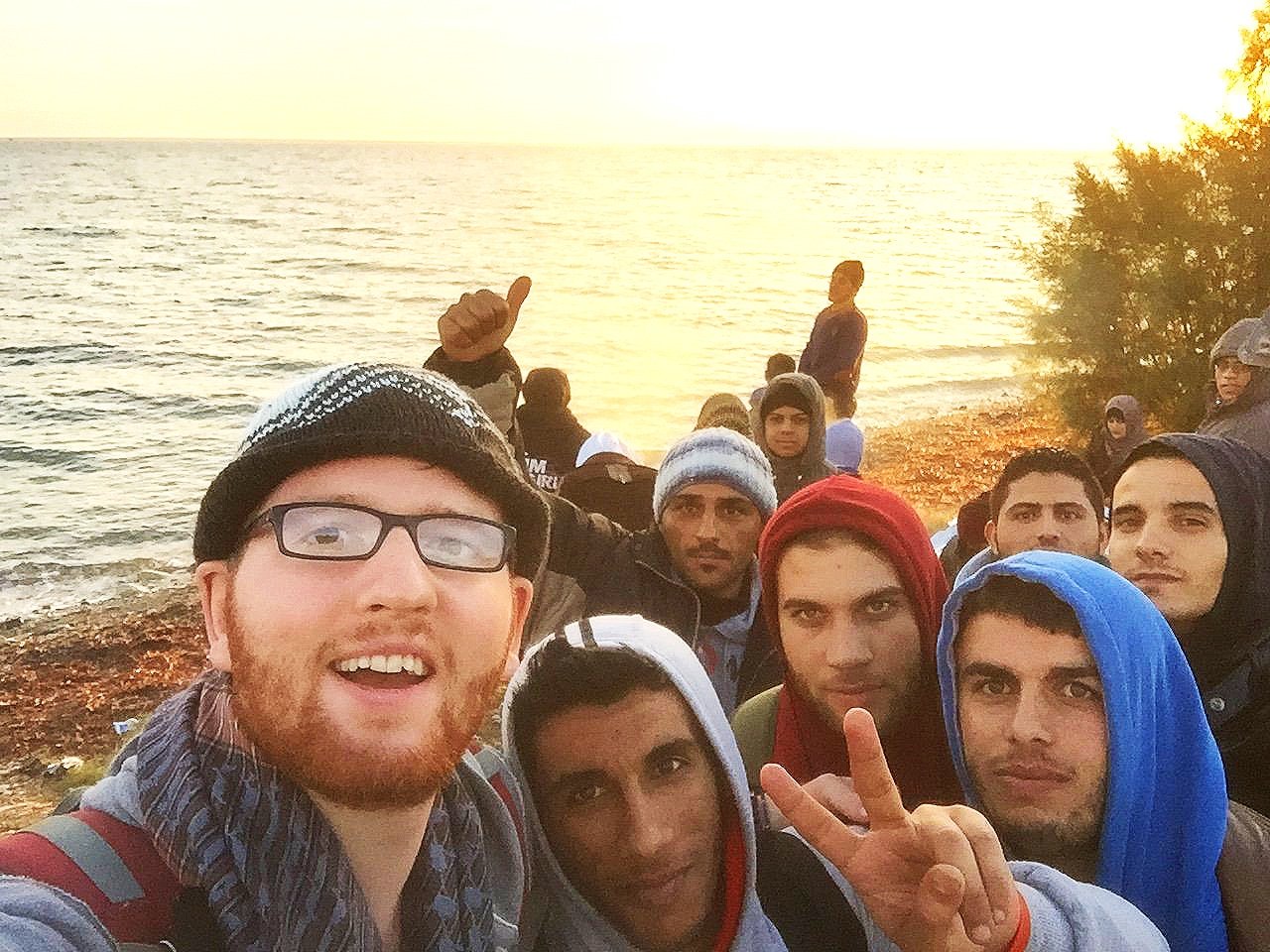
What little food I had left was given to them. I wished I had more resources, but mostly wished I didn’t have to leave to catch my plane.
The Bravest Soldier
“Your brother was shot.”
My face went numb. Did he just get killed?
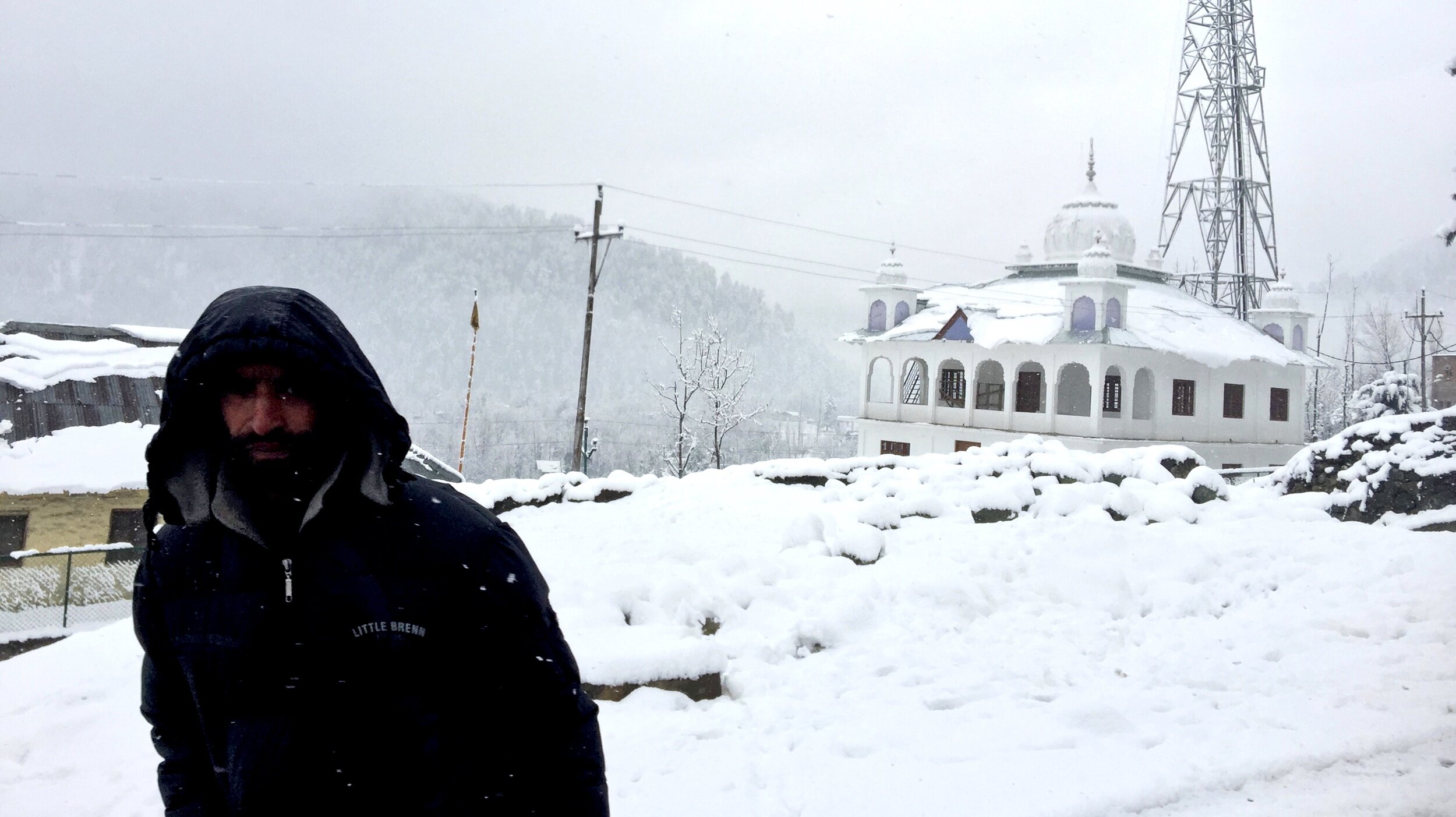
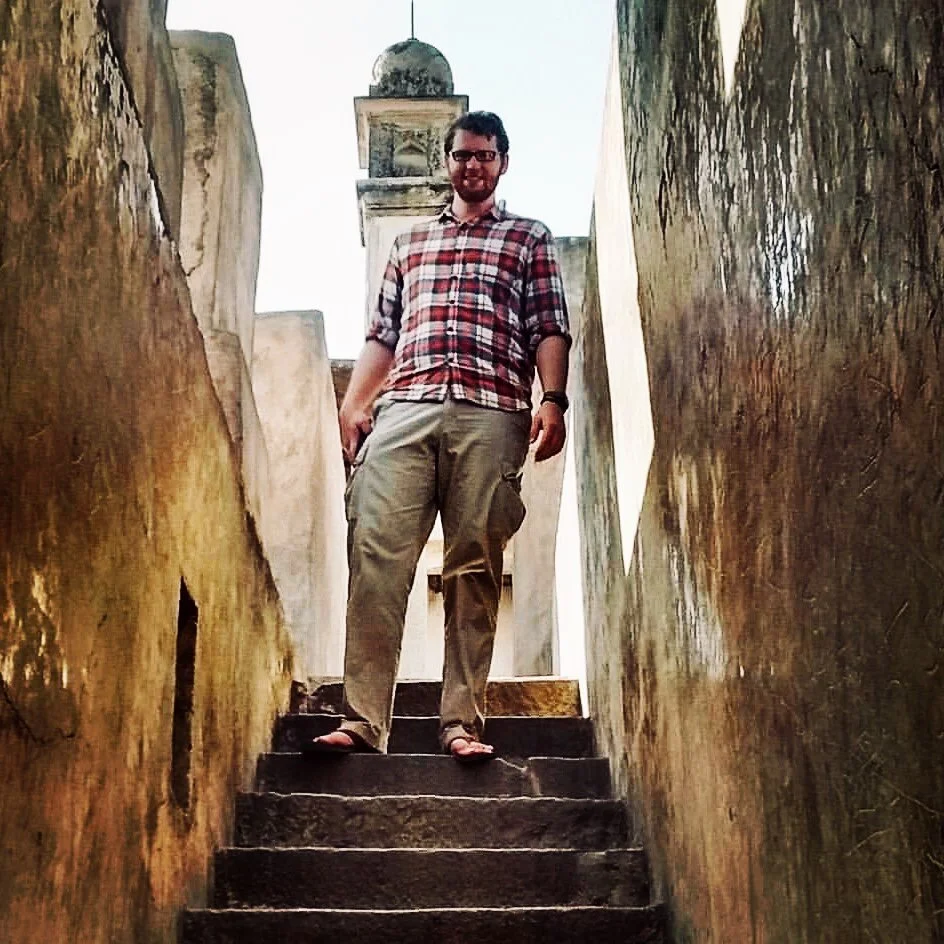
Kashmir
The old white jeep rumbled to a stop at the rustic roadside Down Hill Restaurant, just an hour outside Srinagar. This would be my last stop on the uphill journey to a mountain city near the Pakistani border...
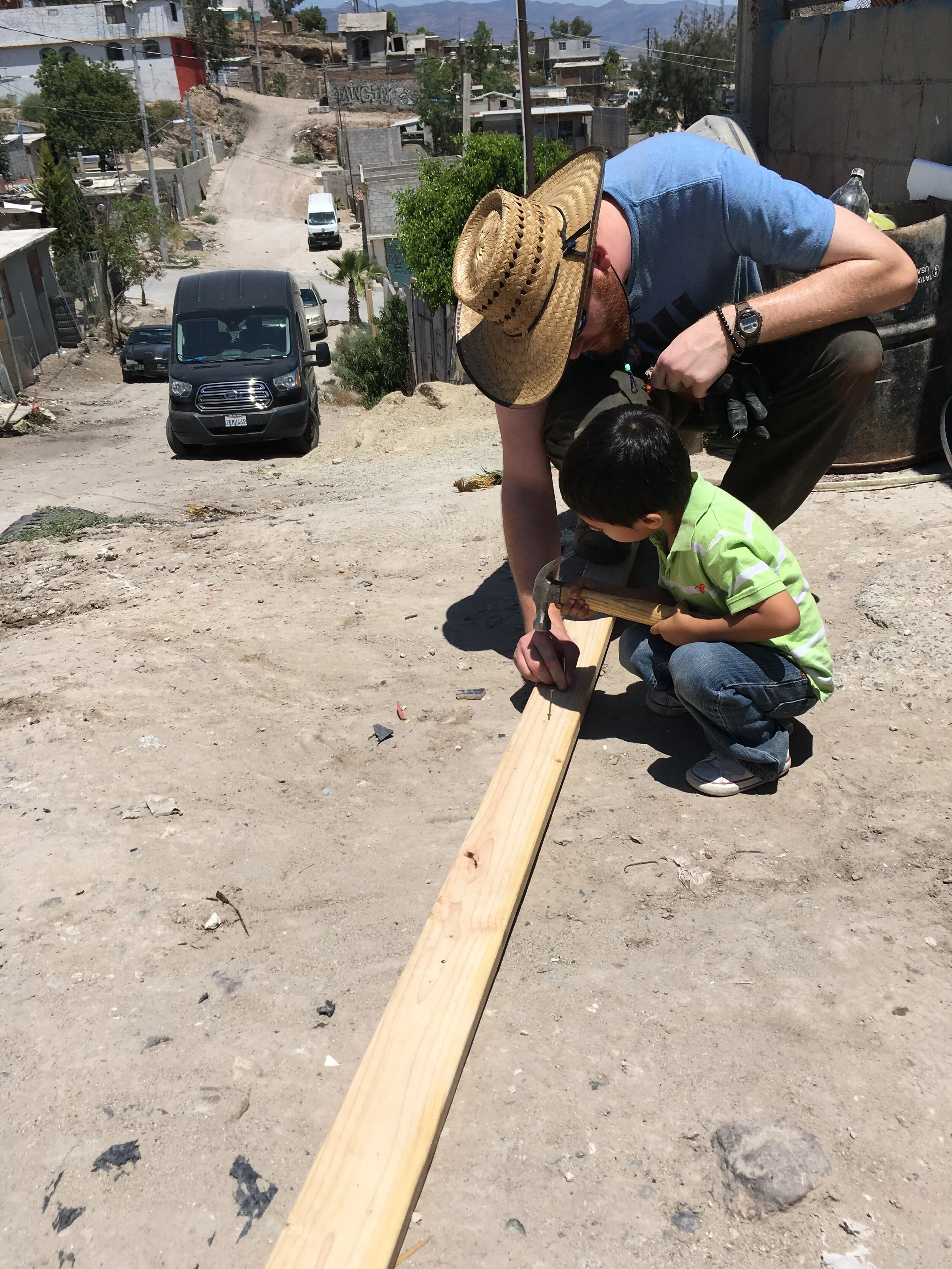
Good Done Better
Humanitarianism is good. But it is not always done well. Here are three principles to help you do good better
10 Humanitarian Standards of Excellence
The whole of this matter can be summed up in 5 well known words: Love your neighbor as yourself.
The Last Nazaheen
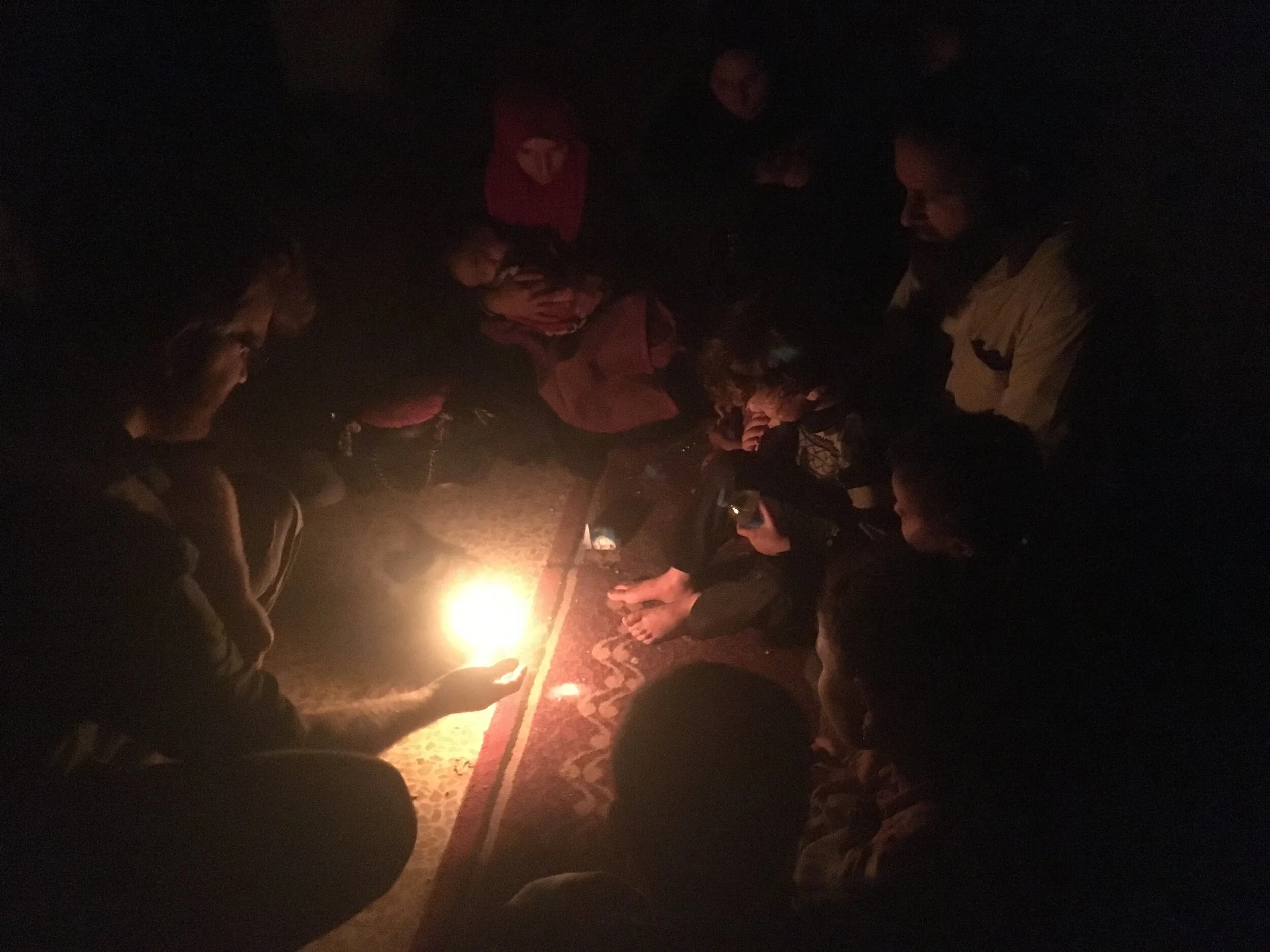
The Last Nazaheen
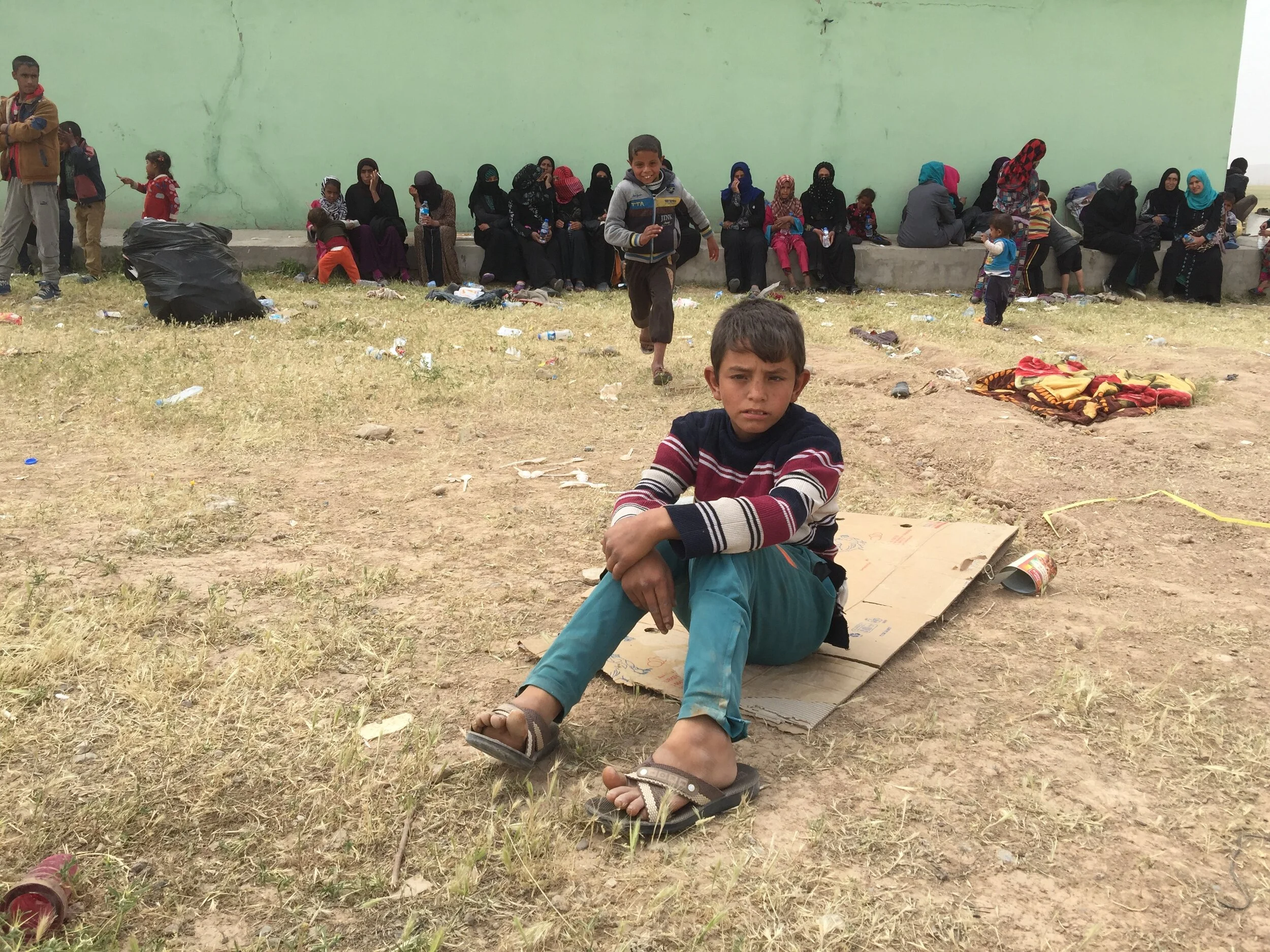
Musharifa Neighborhood, West Mosul, North Iraq // Spring, 2017
This family had escaped.
Other families had not.
They entered our CCP compound with whispers just above the darkness. The evening sun had set beyond the horizon by the time they sat down on the carpet in the common room.
The only light came from a small burning wick which they gathered around.
I wondered what life had been like for them. Awful, no doubt. Remembering that I had some extra food, I placed what I had before them extending a smile and some bread to the father of the family. He smiled back. When was the last time another man was friendly towards him and his family?
For 3 years they lived under the rule of ISIS. Food became scarce. Fruit ran out. Schools were replaced with a dark fundamentalism that preached a destructive message. An ancient evil presence had entered their land and threatened with death.
The shy children giggled as I teased them while pretending to pivot my hand and playfully encouraging them to take the food.
I looked at the dad to make sure he was comfortable with this. He smiled gratefully. I wondered when the last time his family laughed together in safety. I sat next to them and shared the dried fruits and nuts. They were eager for me to partake with them. I felt at a loss communicating since I didn’t speak enough Arabic to converse. But I knew my smile and kindness would communicate my message: “You’re not forgotten. There still is good in this world. I’m your friend.”
Suddenly, their transport arrived. The father hugged me and kissed me on the cheek as is the local way. He looked into my eyes and said, “Shukran!” Thank you.
And then they were gone…
——————
This family would not be the last of the Nazaheen, and I wondered who would be. Over the following weeks I would meet more Nazaheen. These were people, both individuals and families, no longer at home in their own country; they were refugees.
And I long for them to be able to return back to their own homes.